
Condo remodeling
Condo Remodeling in Los Angeles
We remodel condo kitchens, bathrooms and whole units across Los Angeles. We handle the HOA paperwork, plan the work around your building's rules and pull the permits. You get one fixed price in writing.
Short answer
Who remodels condos in Los Angeles?
Kasimov Construction is a licensed general contractor (CSLB #1148319, Class B) that remodels condo kitchens, bathrooms and whole units in Los Angeles, including West Hollywood, Westwood, Santa Monica and the Wilshire Corridor. The company prepares the HOA alteration package with drawings, its license and a certificate of insurance, pulls the city permit, plans the layout around the building's shared plumbing stacks, builds the cabinets in its own workshop and fixes the price in a written contract before work starts.
- License
- CSLB #1148319, Class B, bonded and general liability insured · verify
- HOA package
- Alteration application, drawings, license and certificate of insurance, prepared by us
- Permit
- City of LA: LADBS Express Permit when no walls move, plan check otherwise · West Hollywood, Santa Monica, Glendale, Pasadena, Beverly Hills and Culver City issue their own
- Cabinets
- Built to the inch in our own workshop while the board and the city review the plans
- Contract
- Fixed price in writing, dedicated project manager, weekly written updates, 2-year workmanship warranty
- Phone
- (424) 455-6464
A condo remodel has more people to answer to.
In a house you need a permit and a good crew. In a condo you also answer to the HOA, the property manager and the neighbors on the other side of the wall and below your floor. Most boards want drawings, a licensed contractor and proof of insurance before they approve anything, and every building has its own rules for work hours, elevators and deliveries.
We plan for all of that from the first visit, in the Westside condo corridors around Santa Monica, Westwood and the Wilshire Corridor, in West Hollywood, and in the condo and townhouse blocks of Sherman Oaks, Studio City and Valley Village. We read your building's remodeling rules, prepare what the board asks for and schedule the work so it fits the building. Inside the unit it's the same job we do everywhere: cabinets from our own workshop, waterproofing we check layer by layer and a project manager who sends you a written update every week.
What's different
What we handle in a condo.
HOA approval
Most associations ask for an alteration application with drawings, the contractor's license and a certificate of insurance naming the HOA. We prepare the package and answer the board's questions.
Building rules
Work hours, elevator reservations, protection for the hallways and where the debris goes. We get the rules in writing and build the schedule around them.
Plumbing and shared walls
Condo kitchens and baths sit on shared plumbing stacks. We plan the layout around them and set up water shut-offs with building management.
Floors and noise
Many HOAs require sound-rated underlayment under hard floors. We check the CC&Rs before you choose a floor, so the board never asks you to pull it out.
Waterproofing over a neighbor
A leak in a condo bathroom shows up in the unit below. We build showers in layers, check each layer before the next goes on and photograph it for your records.
Permits
Interior work in the City of LA can often use an LADBS Express Permit. West Hollywood, Santa Monica, Glendale and other cities issue their own. We pull the permit either way.
How it works
How a condo remodel runs.
The same steps every time, with the HOA built into the schedule.
-
01
Estimate visit
We look at the unit, go through the HOA's remodeling rules with you and give you a realistic range.
-
02
Drawings and HOA package
Layout, materials and 3D views for you. Drawings, our license and insurance certificates for the board.
-
03
Fixed price and permit
A written contract with a fixed price and schedule. We file the permit once the HOA signs off, and your cabinets go into production in our shop.
-
04
Construction
Hallways and elevator protected, work kept to building hours, debris taken out the way the building wants. You get a written update every week.
-
05
Walkthrough and sign-off
Final inspection, HOA sign-off if your building asks for one, the punch list and a written 2-year warranty.
Cost
What a condo remodel costs in Los Angeles.
We price the unit from your scope and the building's rules, then fix the total in the contract.
Get a price range for your project.
Every project is different, so we don't use a price list. Tell us about yours and we'll give you a range that fits your home. It's free and takes about two minutes.
- A realistic range for your specific scope
- What will move your number up or down
- A first range from your answers, before any visit
What drives the cost.
- Slab or wood frameIn a slab building the drains sit in concrete the association controls, so the layout stays close to the existing stack. A wood-frame floor sometimes leaves room to shift a fixture a few feet, and the drawings show which you have.
- Shared stacks and shutoffsTying into a shared stack means the building's water off for the riser, booked with management and often at set hours, with our plumber on site for the whole window.
- Elevator and work hoursA reserved elevator, protected hallways and a shorter working day stretch the schedule, and the schedule is part of the price.
- Sound-rated underlaymentWhere the CC&Rs require a rated underlayment under hard flooring, the material and its installation are in the scope from the start, not added after the board asks.
- HOA deposit and insuranceMany associations hold a refundable construction deposit and ask for a certificate of insurance naming them. We list both in the estimate, so nothing turns up later.
- Finish levelCabinets, counters, tile and fixtures move the number most, in a condo as in a house. The two guides below show the Los Angeles market data.
Permits & rules
Permits and rules for a condo remodel.
Two approvals, from two different bodies. The board approves the alteration under the CC&Rs; the city issues the permit under the building code. One never replaces the other, and we run them side by side.
Whether your bathroom remodel needs a permit, and which kind, depends on where you live and what changes. Here is how it works in Los Angeles. We confirm the exact path for your address before your estimate is final.
City of Los Angeles (LADBS)
- No structural changes: a residential bathroom remodel without structural changes is on LADBS's Express Permit list, so there is no plan check. Replacing plumbing fixtures and rewiring on existing circuits are on the list too.
- Walls or openings change: the online combined permit excludes changes to walls or openings. Those go to counter plan check with existing and proposed floor plans.
- Inspection: permitted work is inspected before walls are closed and at final.
Cities with their own building departments
Burbank, Glendale, Pasadena, Beverly Hills, Santa Monica, Culver City and Calabasas each issue their own permits, with their own rules and timelines. See your area page for local specifics.
California water-efficiency rules
- Homes built in 1994 or earlier: under SB 407 (Civil Code §1101.1 et seq.), a permitted remodel requires replacing non-compliant plumbing fixtures before final inspection. That means toilets over 1.6 gpf, showerheads over 2.5 gpm and faucets over 2.2 gpm.
- New fixtures must meet CALGreen maximums:
- toilets: 1.28 gallons per flush;
- showerheads: 1.8 gpm;
- bathroom faucets: 1.2 gpm;
- kitchen faucets: 1.8 gpm.
Your deposit is capped by law
For home improvement contracts in California, the down payment may not exceed $1,000 or 10% of the contract price, whichever is less (Business & Professions Code §7159.5). Our contracts follow that rule.
Condo buildings outside the City of Los Angeles
Many of the condo buildings we work in sit in cities with their own building departments. West Hollywood, Santa Monica, Glendale, Pasadena, Beverly Hills and Culver City each issue their own permits, with their own forms, hours-of-work rules and inspection calendars, and West Hollywood also asks for the HOA's authorization letter with the application. Our guide to remodel permits in Los Angeles lists the office for every community we serve, and we confirm the path for your building before the estimate is final.
Sources: LADBS Express Permits bulletin P/GI 2026-003, PermitLA, SB 407 analysis (CSLB), CALGreen fixture table (HCD), Business & Professions Code §7159.5.
Glossary
Words you will hear on a condo remodel.
The terms in your CC&Rs, the alteration agreement, the insurance certificate and the permit, in plain words.
| Term | What it means |
|---|---|
| CC&Rs | Covenants, Conditions and Restrictions: the recorded rules of the association. They say what an owner may change inside the unit, what needs board approval and what the building controls, such as shared plumbing, exterior walls and the floor over another unit. |
| Alteration agreement | The association's written agreement with an owner for a remodel. It usually names the approved drawings, the contractor, the insurance it wants to see, work hours, deposits and how the unit is returned if something goes wrong. |
| HO-6 policy vs. master policy | The master policy is the association's insurance for the building and the common areas. An HO-6 policy is the owner's insurance for the inside of the unit and its contents. The line between them is drawn in the CC&Rs, and it matters when a remodel changes the finishes. |
| IIC and STC | Impact Insulation Class rates how well a floor assembly blocks footsteps and dropped objects; Sound Transmission Class rates airborne sound, such as voices through a wall or floor. Many CC&Rs set minimum ratings for new hard flooring. We read the number in your building's rules before you choose a floor. |
| Wet-over-dry | A rule in many CC&Rs that bars a new plumbing fixture above a neighbor's dry room, such as a bedroom or living room, so that a leak never lands where there was no plumbing before. |
| Common area vs. exclusive-use area | Common area belongs to all owners together: hallways, the roof, the structure and the shared pipes. An exclusive-use common area, such as a balcony or a parking space, belongs to the association but is reserved for one unit. Work in either needs the board, not only a permit. |
| Plan check vs. Express Permit | LADBS reviews the drawings in plan check when walls or openings change. A residential kitchen or bathroom remodel with no structural changes is on the Express Permit list, so the permit is issued without plan check. Either way, the HOA approval is separate from the permit. |
| Shared stack | The vertical drain and vent pipe that several units tie into. It belongs to the building, so work on it needs a building shutoff and, in most associations, board approval. |
| Certificate of insurance | A one-page summary from the contractor's insurer showing general liability coverage. Most associations ask that it name the HOA as additional insured. Ours goes in the HOA package with the drawings and our license. |
Sources: LADBS Express Permits bulletin P/GI 2026-003. The other terms are definitions as they are used in condo CC&Rs, alteration agreements and insurance policies, and in our own contracts. The wording and the numbers in your building's documents govern.
What can go wrong
What can go wrong in a condo, and what we do about it.
The six things that stop a condo remodel most often, each with the way our crew heads it off.
Shared-stack shutoff not booked
Tying into the stack needs the building's water off, often for the whole riser. We book the shutoff with management before demolition and post the notice the building requires, so the plumbing day is on the calendar before the first wall opens.
A slab drain that cannot move
In a slab building the drain sits in concrete the association controls. We locate the existing drains at the estimate visit and design the layout around them, so the plan the board approves is the plan we can build.
Fire-rated penetrations
Every pipe or duct through a rated floor or wall has to be sealed to keep the rating. We fire-stop each penetration, photograph it before it is closed and leave it open for the rough inspection.
Floor sound rating
A hard floor laid without the rated underlayment the CC&Rs require is the most common thing a board asks an owner to take out. We read the rating in your building's rules and submit the underlayment spec with the HOA package.
Insurance certificate missing from the HOA package
An incomplete package waits for the next board meeting. We send the certificate of insurance, naming the association as additional insured, together with the drawings and our license, so the board sees one complete submission.
Deliveries without an elevator reservation
Cabinets, stone and appliances that arrive without a reserved elevator wait on the truck or in the lobby. We book the elevator and the loading zone for each delivery and pad the cab and the hallways on those days.
Our cabinet shop
Cabinets made for a condo kitchen.
Condo kitchens rarely give you room to spare, and the plumbing wall usually stays put. We build the cabinets in our own shop to the inch, so every wall gets used, and we can make them while the board and the city review your plans.
- Ceiling-height uppers and full-depth drawers
- Panel-ready appliances and pull-outs for small spaces
- Vanities sized to the wall, closets and built-ins
- Installed by our own crew
Our work
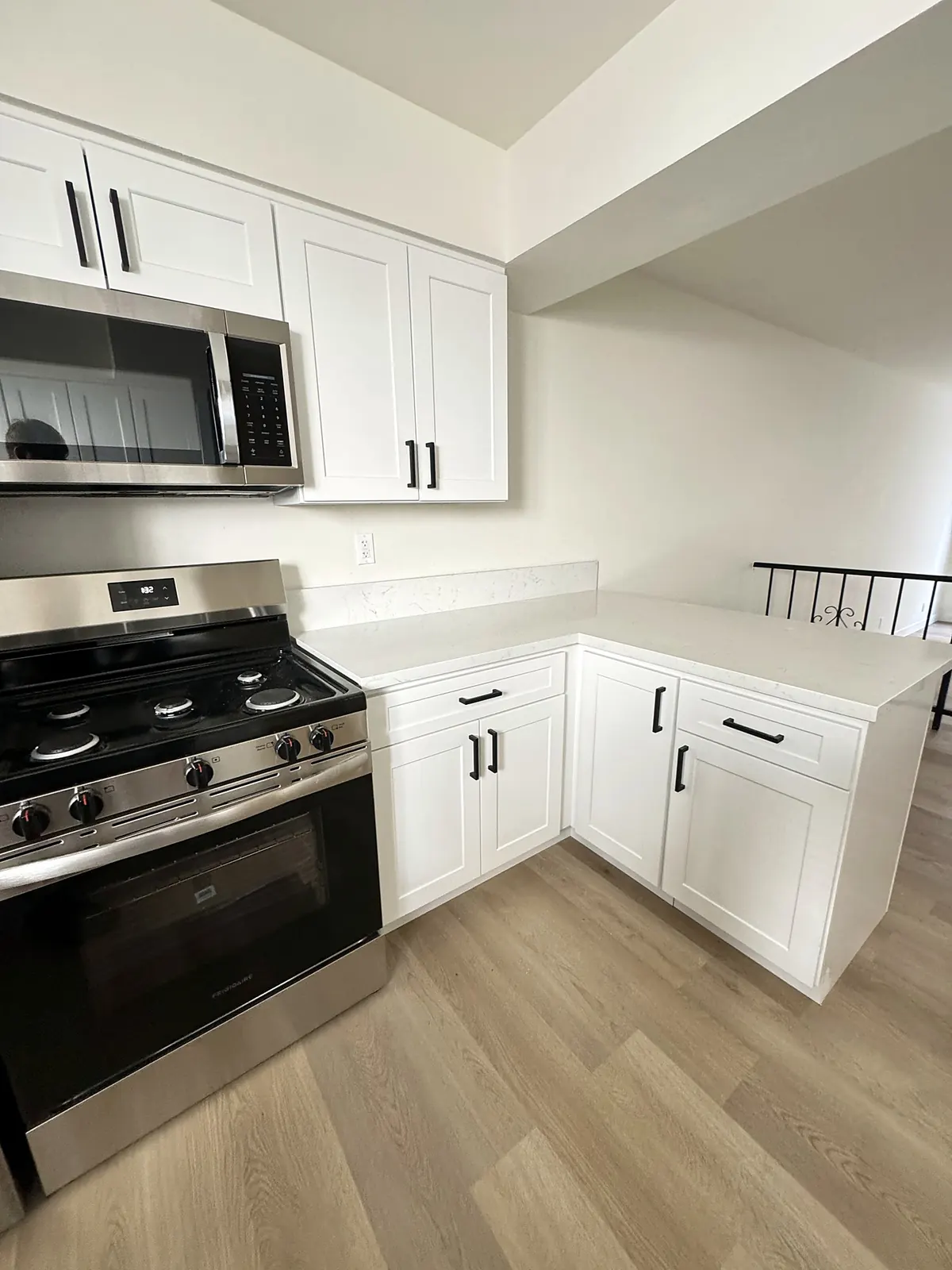
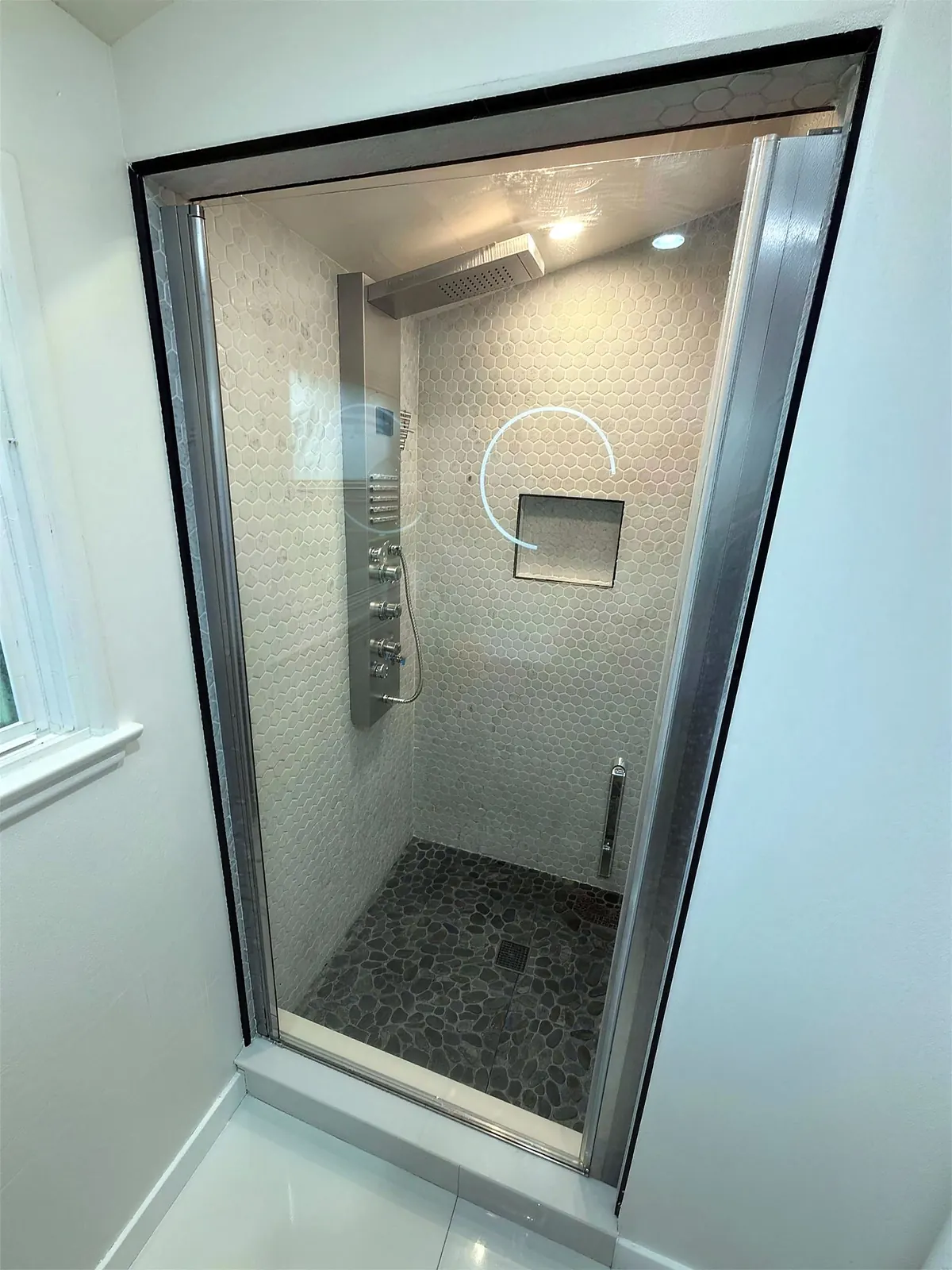
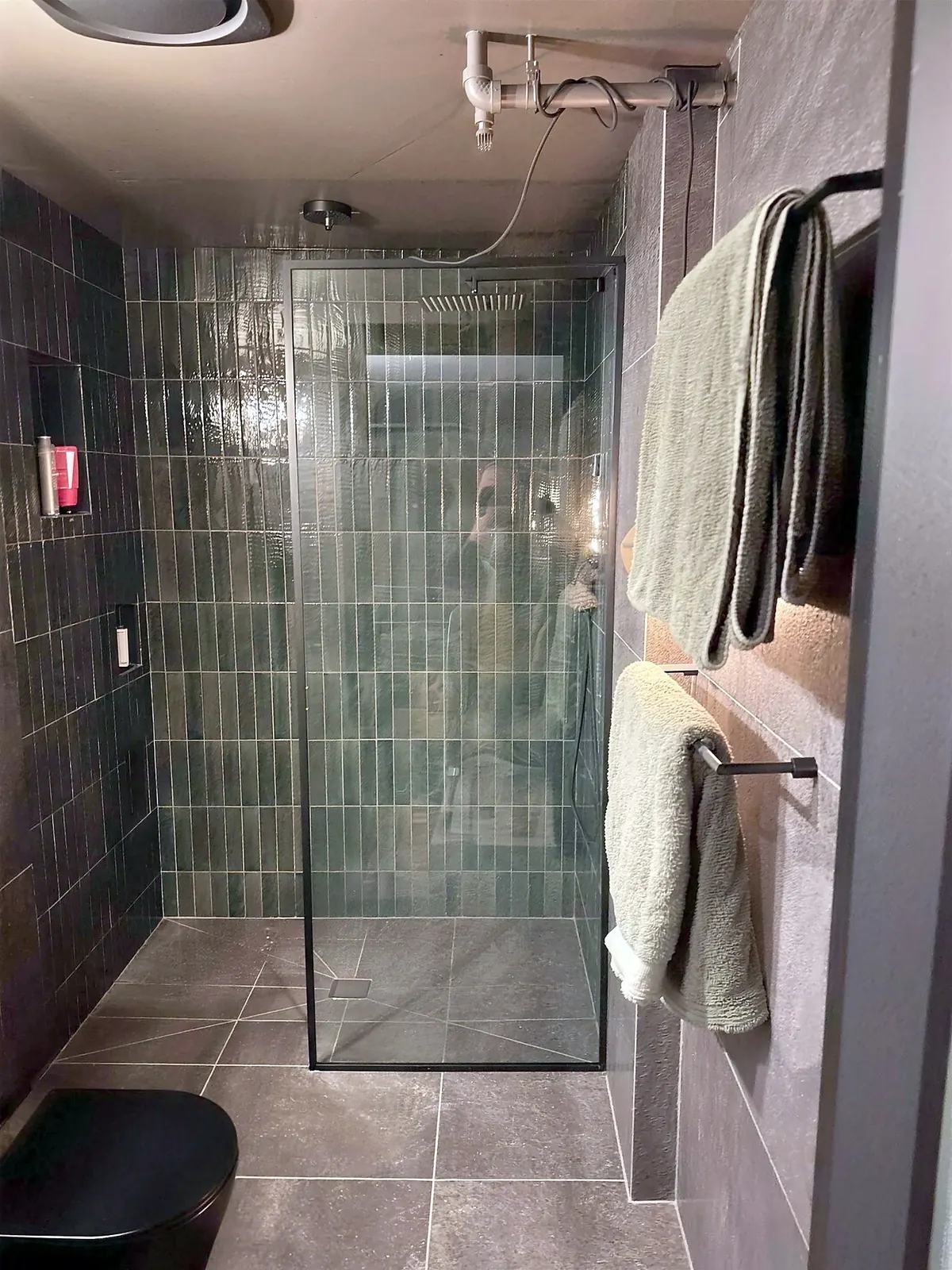
Recent projects.
Reviews
What our clients say.
Our rating on Google. Read what clients wrote, or leave a review of your own.
“We hired this team to convert part of our garage into a laundry area, a guest bathroom, and a shower. They did an amazing job! The tile work, wood accent walls, and vanity turned out great. The guys worked very clean and neat, kept the place tidy every day, and finished everything on time. Highly recommend them!”
“Great contractor! Did our apartment bathroom remodel. Clear communication, quality work. Would definitely hire again!”
“Excellent work on room renovation! The room looks amazing, and I’m very happy with the results. Highly recommend!”
All reviews →See them on Google →
Where we work
Condo remodeling across Los Angeles.
Do I need HOA approval to remodel my condo?
Do I need a permit for a condo remodel?
Can you move the kitchen or bathroom in a condo?
How long does a condo remodel take?
How much does a condo remodel cost in Los Angeles?
What insurance does the HOA ask for?
What is a wet-over-dry rule?
Are you licensed and insured?
How much is the deposit?
Is there a warranty?
Free estimate
Tell us about your condo.
Kitchen, bathroom or the whole unit. Answer a few quick questions and we'll call you to set up a free estimate visit.
- Free estimate visit: we measure and listen
- Written estimate with a clear scope
- One project manager from start to finish
- CSLB #1148319, licensed, bonded & insured
- 2-year written warranty on workmanship